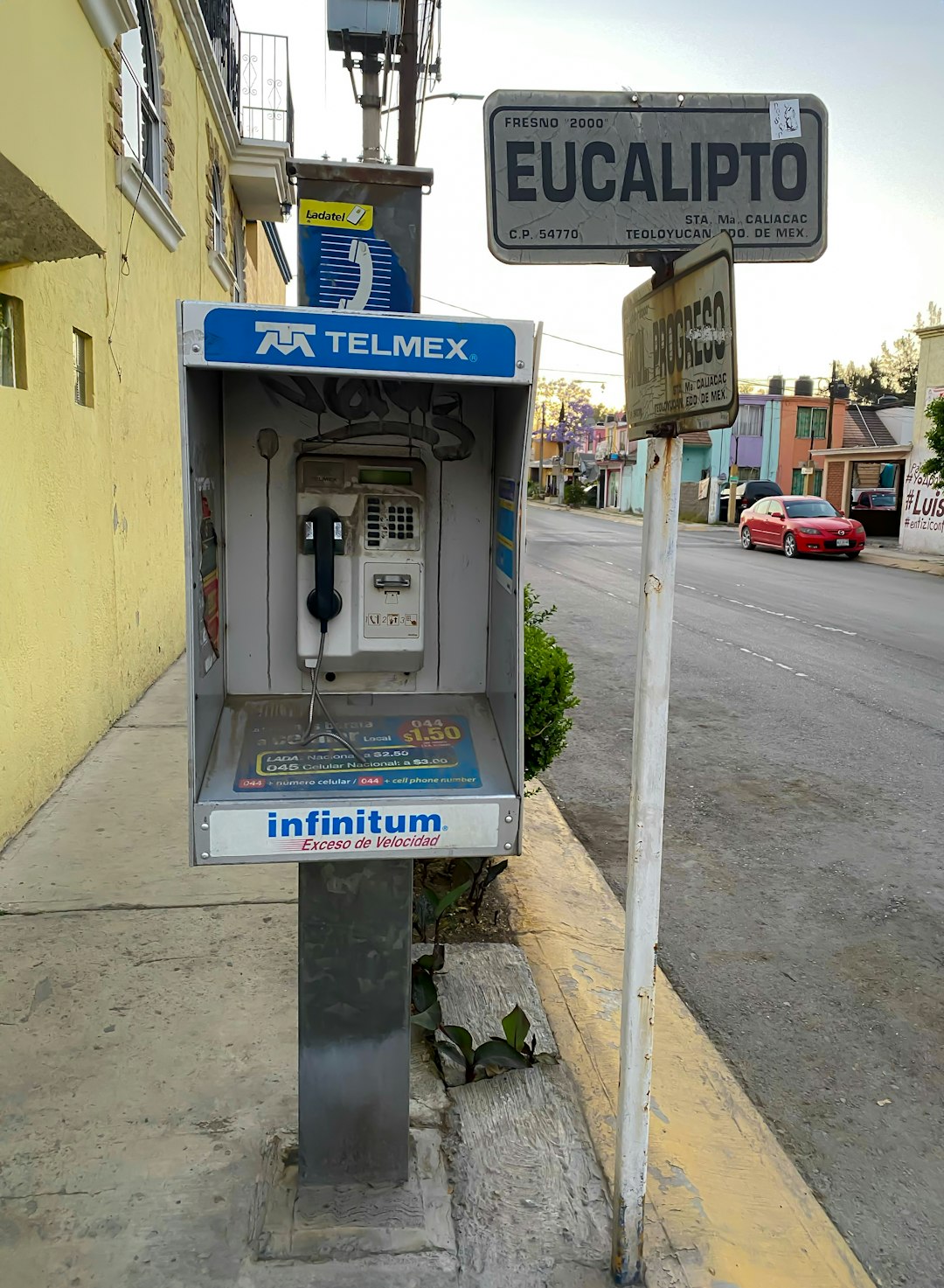
Arizona's Do Not Call Law protects residents from unwanted telemarketing calls by offering registration on an official state list. Exemptions exist for personal contacts and urgent communications. Fines are enforced by the Attorney General's Office. Do not call attorneys Arizona assist with registration, disputes, and legal action against violators. Documenting call records is crucial. Compliance ensures restrictions on calling hours (9 am – 5 pm unless consented). Persistent violators face significant fines up to $10,000 and potential legal action from these specialists. Residents facing repeated calls should document incidents for complaints or legal assistance.
In today’s digital era, unwanted phone calls can feel like a relentless nuisance, especially with persistent marketers targeting consumers. This is where the Do Not Call Law steps in as a shield for Arizona residents. Understanding your rights under this legislation is crucial to reclaiming control over your time and privacy. However, navigating these laws can be challenging without guidance, leading many to wonder: how effective are these measures? This article serves as your comprehensive guide, providing insights into the Do Not Call Law in Arizona and offering practical advice on protecting your rights with the assistance of experienced do not call attorneys Arizona residents trust.
Understanding Arizona's Do Not Call Law

In Arizona, residents have specific rights and protections under the state’s Do Not Call Law, which is designed to curb unwanted telemarketing calls. This law, enforced by the Arizona Attorney General’s Office, empowers individuals to take control of their phone lines and minimize intrusive marketing attempts. Understanding these rights is crucial for Arizona folks, as it allows them to exercise their privacy and make informed choices regarding communication preferences.
The Do Not Call Law covers a wide range of telemarketing activities, including live operators, automated calls, and prerecorded messages. When an Arizona resident registers their phone number on the state’s official Do Not Call list, they can expect a significant reduction in such unwanted calls. This list is strictly regulated, ensuring that only legitimate registrations are accepted, and it lasts for five years from the date of enrollment. It’s worth noting that this law does not apply to non-commercial calls from family, friends, or charities, as well as certain types of urgent communications.
Do Not Call attorneys Arizona play a pivotal role in assisting residents with navigating this legal framework. These experts can guide individuals through the registration process, ensuring their rights are protected. They also help resolve disputes and take necessary actions against violators, who may face substantial fines for ignoring the law. By understanding their protections and enlisting the aid of specialized attorneys, Arizona citizens can enjoy greater peace of mind when it comes to their phone communications.
Your Rights: What You Can Expect

In Arizona, consumers have specific rights under the state’s Do Not Call law, designed to protect individuals from unwanted telemarketing calls. When you register your phone number on the state’s official Do Not Call list, you can expect significant reductions in these intrusive calls. However, your rights extend further than just a decrease in call volume. Arizona law stipulates that businesses must refrain from calling registered numbers during certain times, such as before 8:00 AM or after 9:00 PM, unless you have given explicit consent for such calls. This means no more disturbing phone calls at inconvenient hours, offering a much-needed respite for busy Arizonans.
If a business violates these restrictions, Arizona residents can take action. Do not call attorneys Arizona are well-versed in assisting consumers with legal remedies. Fines and penalties can be imposed on companies that disregard the law, providing an additional layer of protection for individuals’ privacy. It’s crucial to document any violations by keeping records of the calls, including dates, times, and the content of the messages. This documentation can serve as compelling evidence if a resident decides to file a complaint with the Arizona Attorney General’s office or pursue legal action against the offending company.
To ensure maximum protection, consider using the official Do Not Call list registration process through the Arizona Attorney General’s website. By registering, you not only safeguard your rights but also contribute to a more comprehensive state-wide effort to combat unwanted telemarketing practices. Remember, understanding and asserting your rights under the Do Not Call law is an essential step in reclaiming control over your personal communication space.
How to Register and Protect Yourself

In Arizona, protecting your privacy from unwanted phone calls is a right guaranteed by the Do Not Call Law. The first step towards safeguarding yourself is to register with the state’s Do Not Call Registry. This simple yet effective process empowers you to control who can contact you via telephone. To begin, visit the official website of the Arizona Attorney General’s Office and locate the online registration form. Fill it out accurately, providing your name, address, and phone number. Once submitted, your information is added to the state’s database, ensuring compliance with the law.
Registered individuals are entitled to significant protections. For instance, telemarketers prohibited from calling you during specific hours, typically between 9:00 a.m. and 5:00 p.m., unless you have granted explicit consent. Furthermore, Arizona law allows for strict penalties against violators. Fines can reach up to $10,000 per violation, making it beneficial for both residents and Do Not Call attorneys Arizona to adhere strictly to the regulations. If you encounter calls from unregistered or unauthorized sources despite being on the registry, document the details—including caller information and call timing—as this evidence can be crucial in reporting violators to the Attorney General’s Office.
For enhanced protection, consider implementing additional measures. Review your privacy settings on all devices and social media platforms to restrict access from telemarketers. Also, be cautious when sharing your number publicly or with new contacts. Remember, while registering with the Do Not Call Registry is a powerful step, it doesn’t guarantee complete immunity from unsolicited calls. Persistent violators may still face legal repercussions, ensuring that your rights under this law are effectively enforced.
Enforcing the Law: Do Not Call Attorneys Arizona

The Do Not Call Law in Arizona is designed to protect residents from unwanted telemarketing calls, offering them a level of privacy and control over their phone lines. This law has been instrumental in reducing the number of intrusive sales calls, but its effectiveness relies heavily on enforcement. One crucial aspect of this process involves do not call attorneys in Arizona who play a pivotal role in ensuring compliance with the legislation.
Do not call attorneys are legal experts specializing in consumer protection and privacy laws, including the Do Not Call Law. Their primary responsibility is to represent individuals or groups whose rights under this law have been violated. These attorneys investigate complaints, gather evidence, and take appropriate legal action against telemarketers or call centers that persistently ignore the state’s regulations. By filing lawsuits or negotiating settlements, they aim to hold offenders accountable and secure damages for aggrieved parties. For instance, in a recent case, a do not call attorney in Arizona successfully sued a national telemarketing company for repeatedly calling residents despite being on the state’s do not call list, resulting in a substantial financial settlement.
Practical advice for Arizona residents facing persistent telemarketing calls is to document the incidents, including date, time, and caller information. This evidence can be invaluable when filing a complaint with the Arizona Attorney General’s Office or hiring a do not call attorney to take further action. Additionally, staying informed about one’s rights under the Do Not Call Law empowers individuals to protect their privacy effectively.